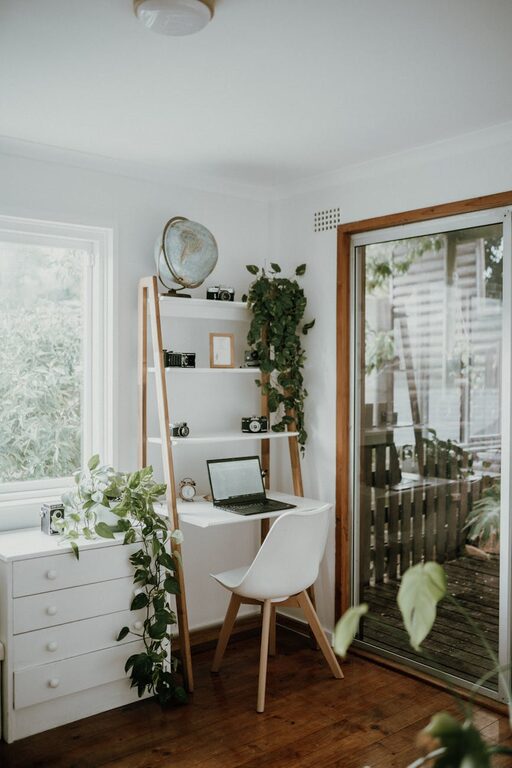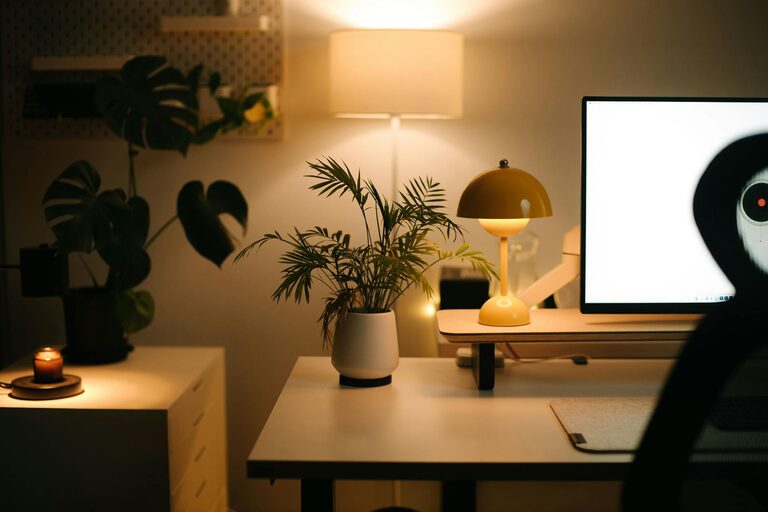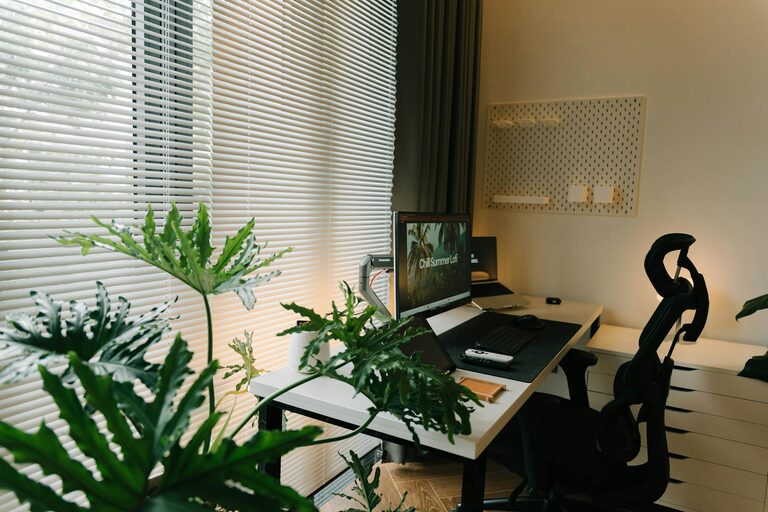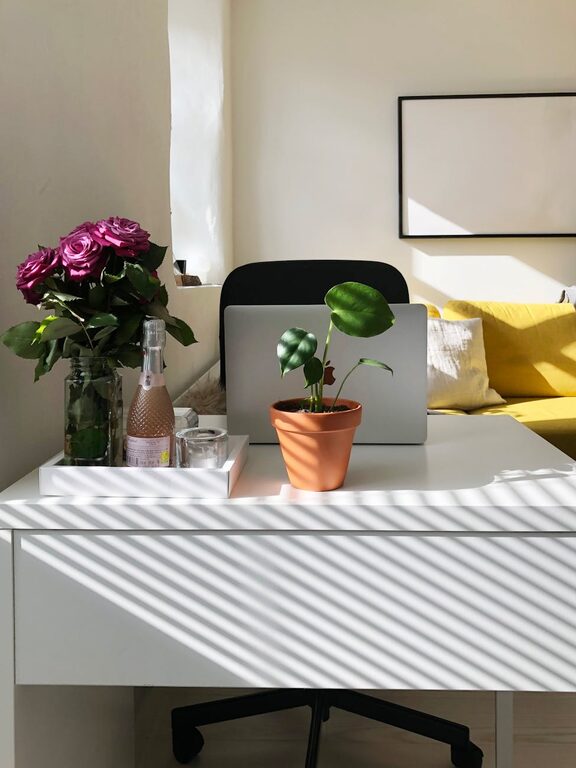
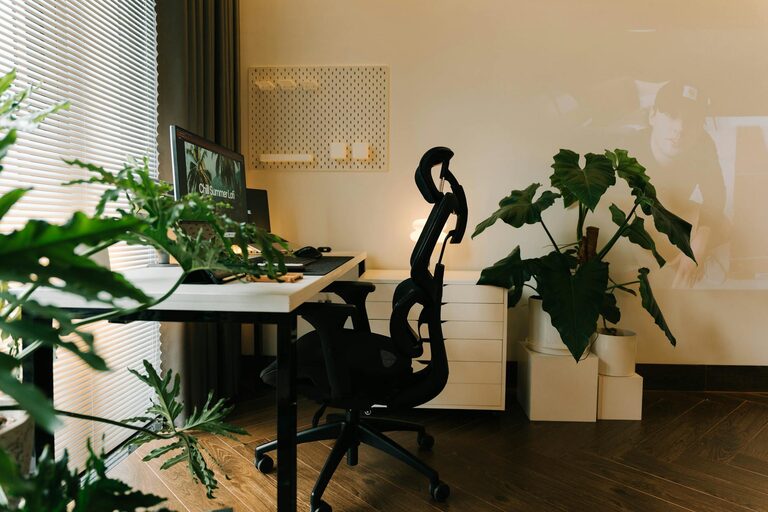
Creating a home office that is both cozy and functional can transform your work-from-home experience. A well-designed space boosts productivity, reduces stress, and makes your daily tasks more enjoyable. Whether you have a dedicated room or just a small corner, you can build a workspace that feels inviting and efficient. Here are some practical tips to help you create the perfect home office environment.
Choose the Right Location
Find a Quiet Spot
Select a space in your home that is quiet and free from distractions. If possible, avoid high-traffic areas such as the kitchen or living room. A peaceful environment helps you focus and reduces interruptions during work calls or deep concentration periods.
Consider Natural Light
Natural light can brighten your workspace and improve mood and productivity. Position your desk near a window if possible, but avoid glare on your computer screen. If natural light is limited, invest in good quality artificial lighting that mimics daylight.
Prioritize Comfort and Ergonomics
Use a Supportive Chair
Comfort is key when spending long hours at your desk. Choose an ergonomic chair that supports your back and encourages good posture. Adjustable features allow you to find the best position for your height and desk setup.
Set Up an Ergonomic Desk
Your desk height should allow your wrists to rest comfortably while typing and your feet to be flat on the floor or on a footrest. Consider a standing desk or a desk converter if you want to alternate between sitting and standing throughout the day.
Keep It Organized
Declutter Regularly
A tidy workspace helps clear your mind and improve focus. Keep only essential items on your desk, and store others in drawers or shelves. Make decluttering part of your daily or weekly routine.
Use Storage Solutions
Invest in organizers, file holders, and shelves to store papers, supplies, and electronics. Labeling storage bins can make it easier to find what you need quickly.
Add Personal and Cozy Touches
Incorporate Plants
Plants not only improve air quality but also add life and color to your office. Choose low-maintenance plants like succulents or snake plants that thrive indoors.
Use Soft Textiles
Add warmth to your space with a cozy rug, cushions, or a throw blanket. These elements make your office feel inviting and comfortable without sacrificing professionalism.
Choose Calming Colors
Paint your office walls in calming, neutral tones or soft pastels. Colors like light blues, greens, and beige are known to enhance concentration and calmness.
Create a Functional Layout
Arrange Your Desk for Efficiency
Place your computer, keyboard, and frequently used tools within easy reach to reduce strain. Keep your monitor at eye level to avoid neck pain.
Designate Zones
If space allows, create zones for different tasks such as computer work, reading, or brainstorming. A small table for writing or sketching can help separate activities and stimulate creativity.
Manage Technology and Cables
Invest in Quality Tech
Reliable technology is essential for a smooth workflow. Use a good-quality monitor, keyboard, and mouse to improve your daily experience.
Tidy Up Cords
Use cable organizers, clips, or sleeves to keep cords neat and out of sight. A clutter-free desk not only looks better but also keeps hazards to a minimum.
Maintain Work-Life Balance
Set Boundaries
Create clear boundaries between work time and personal time by establishing office hours. Using your desk only for work activities can help reinforce this separation.
Take Breaks
Even the most beautiful and functional office won’t work if you don’t take breaks. Step away from your desk regularly to stretch, hydrate, and recharge.
Final Thoughts
Designing a cozy and functional home office is about balancing comfort with productivity. Personalize your space to make it inviting, but keep it organized and efficient to support your work needs. With some thoughtful planning and these practical tips, you can enjoy a workspace that motivates and comforts you every day.
About the Author