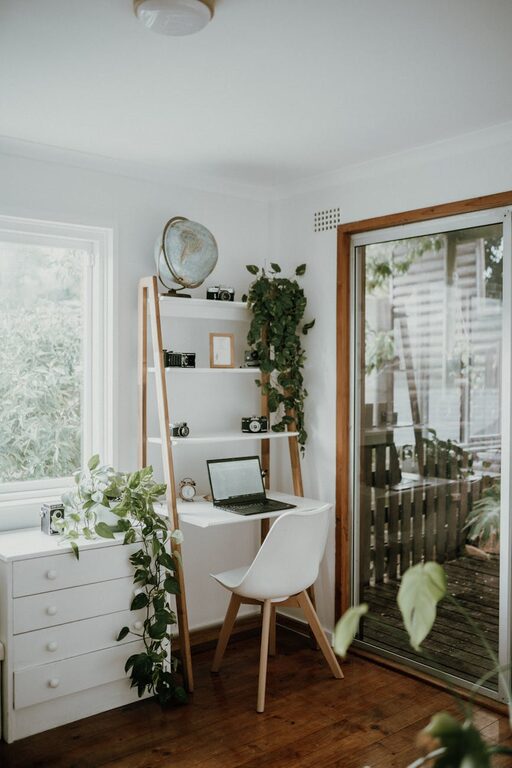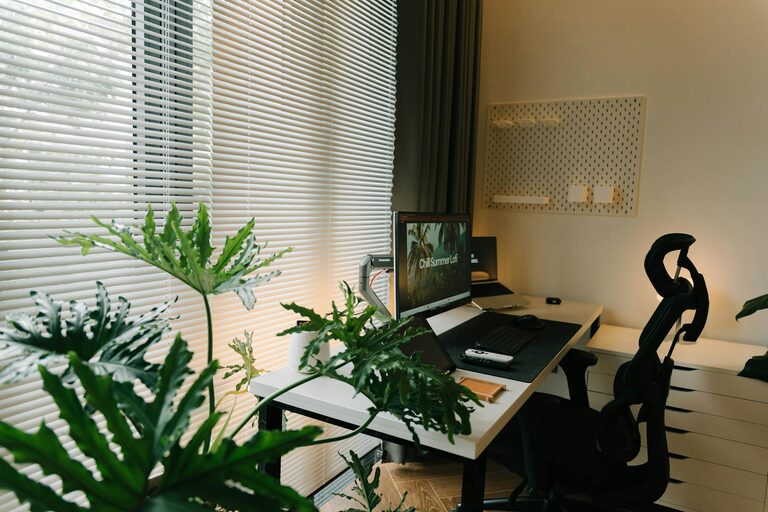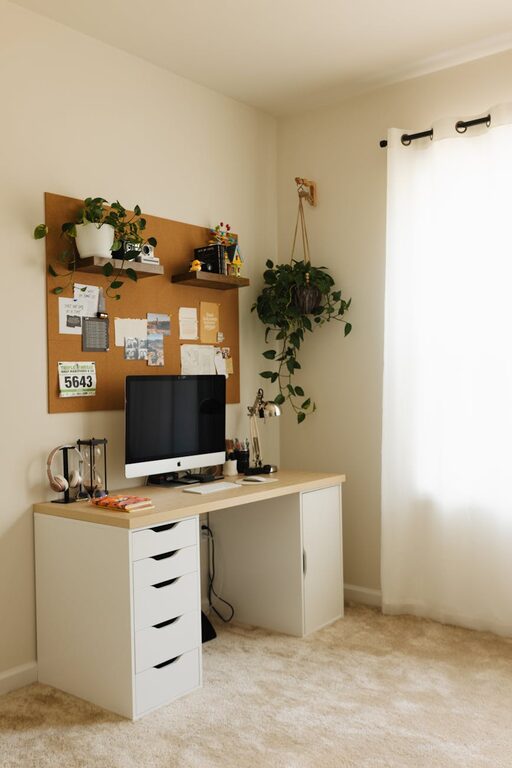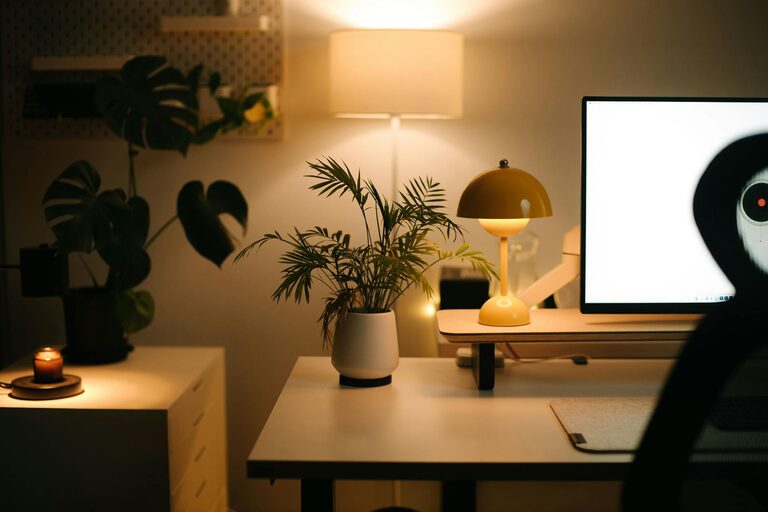
Creating an organized and productive home workspace can make a big difference in how effectively you work and how comfortable you feel throughout your day. Whether you’re working remotely full-time, juggling occasional work tasks at home, or managing side projects, a well-designed workspace helps reduce distractions and keeps you motivated.
In this post, we’ll explore practical tips to help you transform your home workspace into a calm, efficient environment where you can focus and get things done.
Choose the Right Location
Selecting a location for your home workspace is the first step to creating a productive area. Ideally, choose a spot that is:
– Quiet and away from high traffic areas: This minimizes interruptions and noise.
– Well-lit with natural light: Natural light can help boost mood and energy.
– Close to necessary resources: Keep your workspace near outlets, Wi-Fi access points, and any materials you frequently use.
If space is limited, consider creative options like a corner of a room, a closet office, or a fold-away desk setup.
Invest in Comfortable and Functional Furniture
Your furniture plays an important role in your comfort and productivity.
– Ergonomic chair: A supportive chair reduces back strain and encourages good posture. Look for adjustable height and lumbar support.
– Spacious desk: Choose a desk with enough surface area to hold your computer, papers, and other essentials without clutter.
– Proper monitor placement: Position your monitor at eye level to avoid neck strain. You may use a monitor stand or adjustable arm.
Comfortable furniture helps you stay focused longer and reduces physical discomfort during work hours.
Organize Your Supplies and Tools
Keeping your workspace clutter-free and well-organized helps you find items quickly and reduces distractions.
– Use storage solutions: Drawer organizers, shelves, and bins can keep papers, office supplies, and cables tidy.
– Limit items on your desk: Only keep frequently used items on your work surface.
– Implement a filing system: Digital or physical filing systems help handle documents efficiently. Consider labeled folders for easy retrieval.
Regularly declutter your workspace to maintain organization.
Optimize Lighting and Reduce Glare
Good lighting is essential for reducing eye strain and improving focus.
– Natural light: Position your desk near a window if possible.
– Task lighting: Use desk lamps with adjustable brightness to illuminate work areas.
– Monitor screen settings: Adjust the brightness and contrast of your screens to comfortable levels.
– Reduce glare: Use curtains, blinds, or anti-glare screens when necessary.
Balanced lighting helps prevent fatigue during long work sessions.
Minimize Distractions
To stay productive, controlling distractions in your workspace is key.
– Silence notifications: Turn off unnecessary phone and computer alerts while working.
– Use noise-cancelling headphones: These can block out household noise.
– Create clear boundaries: Establish work hours and communicate them to others in your home to reduce interruptions.
– Keep personal items separate: Avoid mixing leisure items in your work area.
Creating a distraction-free environment enhances your focus.
Personalize Your Workspace Mindfully
Adding personal touches to your workspace can make it more inviting while keeping productivity in mind.
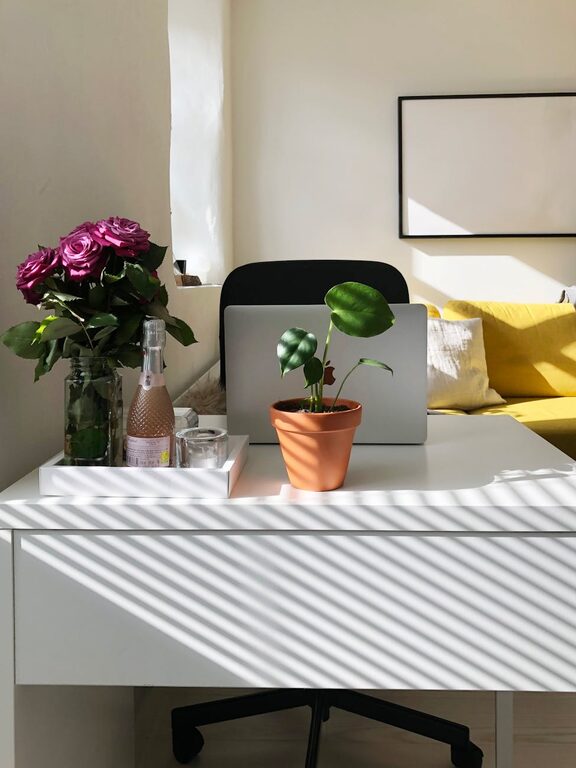
– Add plants: Small plants can improve air quality and add a touch of nature.
– Use inspiring decor: Motivational quotes or artwork can boost your mood.
– Maintain simplicity: Avoid overcrowding your workspace to prevent distraction.
Balance personalization with functionality for the best results.
Plan and Schedule Your Workday
Organization isn’t only about physical space; managing your time efficiently is equally important.
– Set clear goals: Write down daily or weekly objectives.
– Use planners or apps: Tools like calendars and to-do lists help track deadlines and meetings.
– Take regular breaks: Short breaks improve focus and reduce burnout.
– Establish a routine: Consistent start and end times strengthen work habits.
Having a structured plan supports productivity and work-life balance.
Maintain Your Workspace Daily
Consistency is key to a productive home office.
– Tidy your desk at the end of each day: Put away papers and supplies.
– Review and update your to-do list: Keep your tasks current.
– Clean electronics and surfaces: Regular cleaning helps maintain a pleasant environment.
A daily routine keeps your workspace ready and your mind clear.
—
Creating an organized and productive home workspace is a combination of thoughtful design, consistent habits, and mindful choices. By implementing these tips, you’ll build an environment that supports your best work while keeping stress at bay. Start small, make adjustments over time, and enjoy the benefits of a workspace that truly works for you.
About the Author