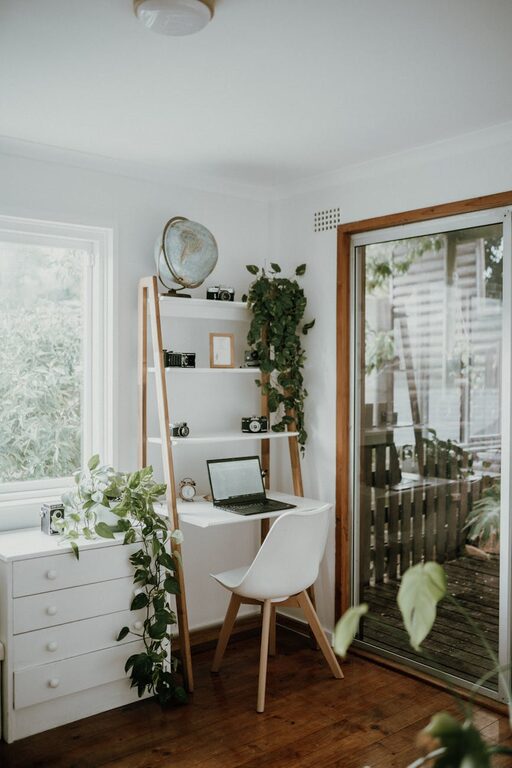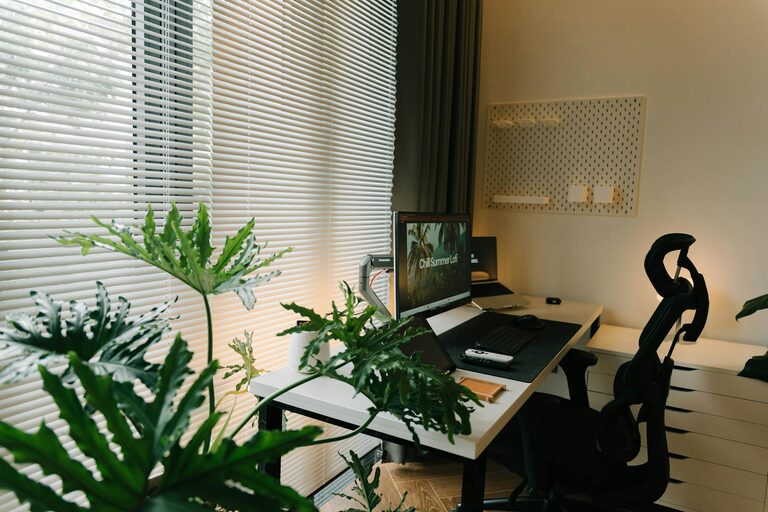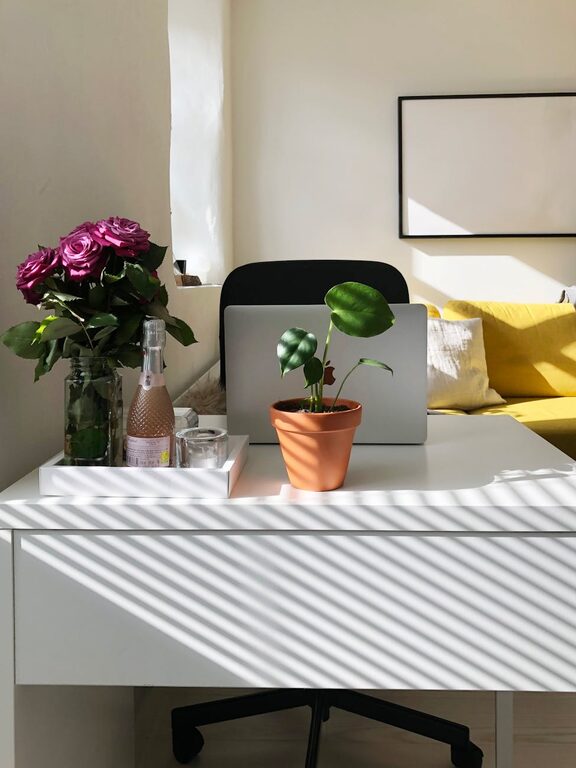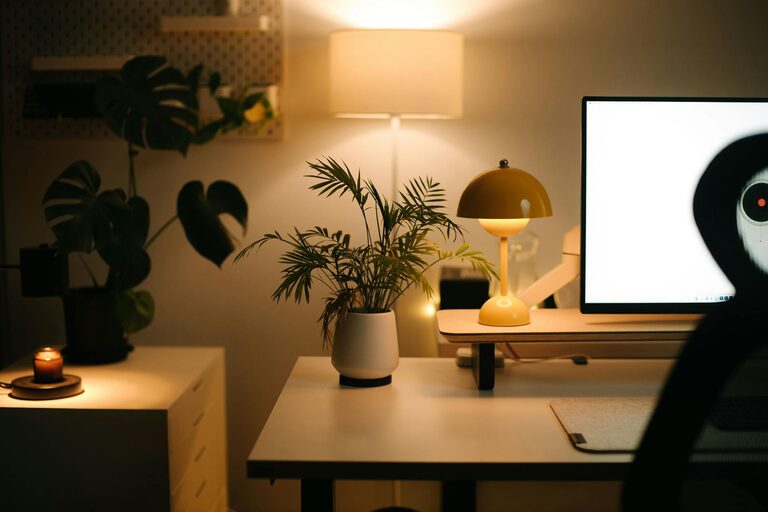
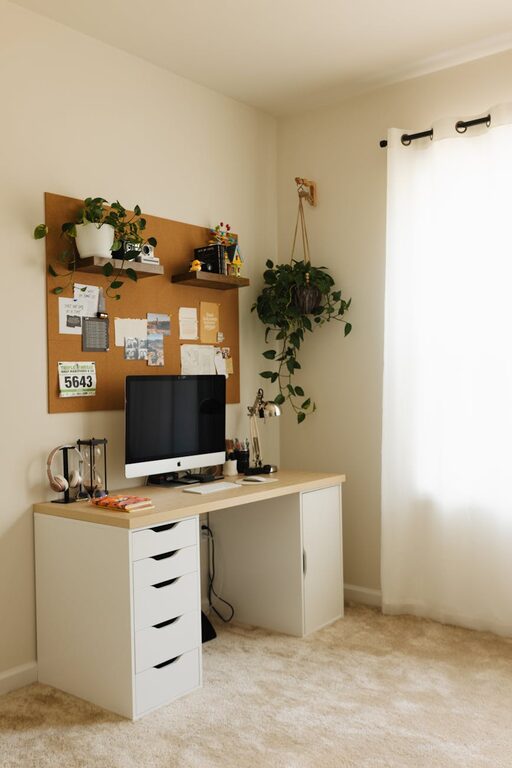
Creating a home office that is both cozy and productive can greatly improve your work-from-home experience. When your workspace feels inviting and supports your tasks, you’re more likely to stay motivated and focused throughout the day. Whether you have a dedicated room or a small corner, here are practical tips to help you design an environment that works for you.
Choose the Right Location
Start by selecting the best spot in your home to set up your office. Ideally, pick a quiet area with minimal distractions, good natural light, and enough space for your desk and storage needs.
– Natural light: Position your desk near a window if possible. Natural light boosts mood and reduces eye strain.
– Away from high-traffic zones: Avoid spaces near busy rooms like the kitchen or living room to minimize interruptions.
– Consider privacy: If you share your home, choose a spot where you can close a door or have a divider for privacy during calls or focused work.
Invest in Comfortable and Functional Furniture
Your furniture directly impacts comfort and efficiency. Prioritize pieces that support good posture and meet your storage needs.
– Ergonomic chair: Choose a chair that supports your back and encourages good posture. Adjustable height and lumbar support are important.
– Appropriate desk: Select a desk that fits your equipment and allows comfortable movement. Consider standing desks or adjustable options for flexibility.
– Storage solutions: Use shelves, drawers, or filing cabinets to keep your workspace tidy and organized.
Personalize Your Space for Comfort
Adding personal touches can make your office inviting, which helps reduce stress and boosts creativity.
– Add plants: Greenery can improve air quality and create a calming atmosphere.
– Use soft textiles: Rugs, cushions, or curtains add warmth and reduce noise.
– Display inspiring items: Photos, artwork, or motivational quotes can enhance your mood and motivation.
Optimize Lighting
Good lighting is essential for reducing eye strain and maintaining alertness.
– Layer your lighting: Combine natural light with task lighting and ambient lighting. Use desk lamps with adjustable brightness.
– Position lights thoughtfully: Avoid glare on your computer screen by positioning lights properly.
– Choose the right bulbs: Use bulbs with a color temperature around 4000-5000K for a bright and natural feel.
Organize and Declutter
A clutter-free desk promotes focus and helps you find important items quickly.
– Use organizers: Desk trays, pen holders, and cable management tools keep things neat.
– Implement storage routines: Regularly sort through papers and supplies to discard what you don’t need.
– Go digital when possible: Scan documents and use digital notes to reduce paper clutter.
Manage Technology Efficiently
Reliable technology setup is key for smooth work sessions.
– Invest in good equipment: A quality computer, keyboard, and mouse will improve comfort and efficiency.
– Set up a strong internet connection: Ensure your Wi-Fi is fast and stable to avoid disruptions.
– Arrange cables neatly: Use cable clips and ties to keep cords organized and prevent tangles.
Create Boundaries Between Work and Home Life
Separating work from personal life helps maintain a healthy balance.
– Define work hours: Stick to a consistent schedule to avoid overworking.
– Use visual cues: Closing the office door or organizing your workspace at the end of the day signals the end of work.
– Take breaks: Step away from your desk regularly to refresh your mind.
Enhance Acoustics and Minimize Noise
Noise can be distracting, so consider ways to reduce it.
– Soundproofing: Use rugs, curtains, or acoustic panels to absorb sound.
– White noise machines: These can help mask background noises and improve concentration.
– Use headphones: Noise-canceling headphones can block distractions during busy times.
Add Elements to Boost Productivity
Certain additions to your space encourage focus and efficiency.
– Whiteboard or corkboard: Keep track of tasks, deadlines, and ideas visually.
– Timer or planner: Use tools to organize your day and practice time management methods like the Pomodoro technique.
– Comfortable temperature: Ensure your workspace is neither too hot nor cold for optimal concentration.
—
Creating a cozy and productive home office is about balancing comfort with functionality. By thoughtfully selecting your location, furniture, lighting, and organization methods, you can build a space that supports your best work and wellbeing. Remember, small changes can make a big difference in how you feel and perform every day.
About the Author